
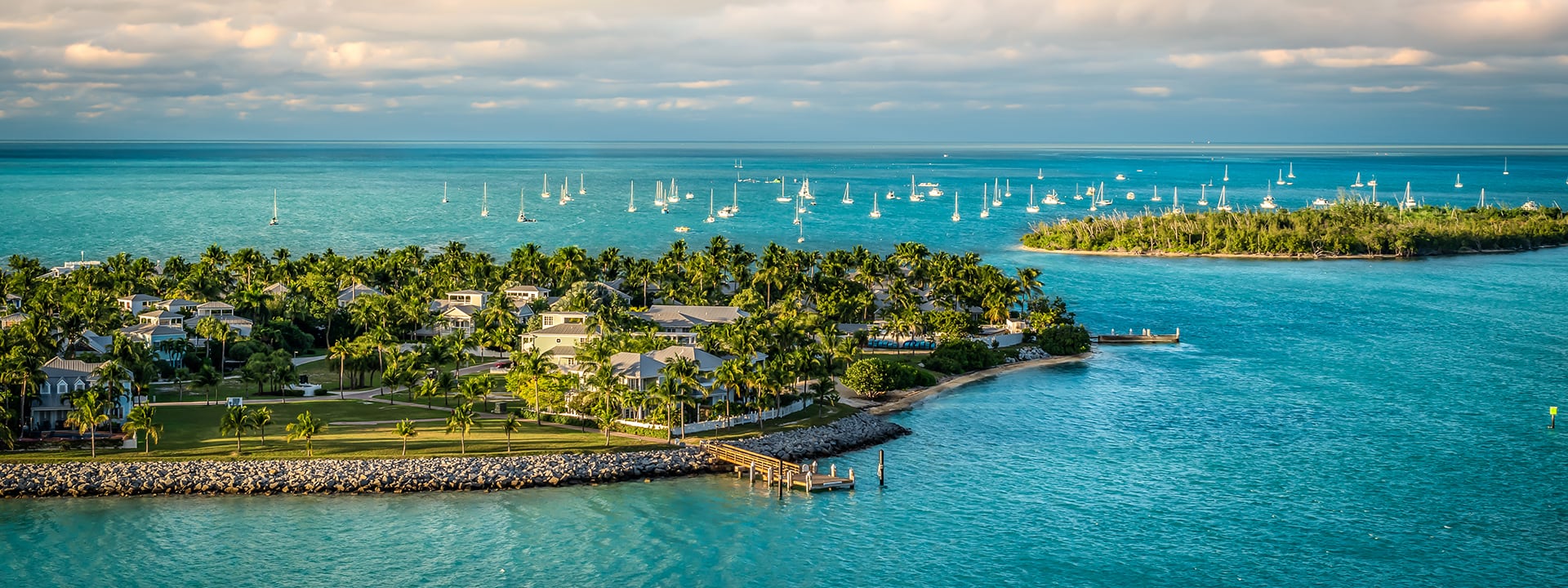
Every July, something strange happens to the Florida Keys. Grocery stores start selling out of garlic butter. Boat ramps fill up before sunrise. And thousands of divers, snorkelers, and lifelong “bug hunters” start checking the tide charts for two very specific days.
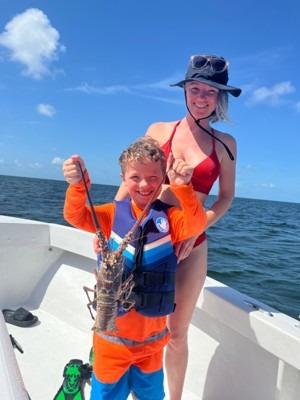
That’s lobster mini-season—officially the Florida Spiny Lobster Sport Season—and if you’re thinking about driving down for it, now’s the time to lock in a place to stay.
What Is Mini-Season, Exactly?
Mini-season is a two-day head start on lobster season, set aside just for recreational divers and snorkelers before commercial harvesting opens. It always falls on the last consecutive Wednesday and Thursday of July—this year, that’s July 29–30, 2026. The regular season follows shortly after, running from August 6 through the end of March, but mini-season is its own event entirely: shorter, more crowded, and something of a Keys institution since the state created it back in 1974 to ease tension between recreational divers and commercial trappers.
Don’t let the name fool you—“mini” refers to the two-day window, not the turnout. More than 57,000 people participate across the Keys during the season, and it’s widely considered one of the busiest boating weekends of the year in Monroe County.
Who Shows Up, and How
If you’re picturing a jet-setting crowd flying in from across the country, that’s not really the scene. Mini-season is a drive-and-boat event. Most participants are Floridians—from the Panhandle, the west coast, central Florida, and the southeast coast—making the trip down, often towing their own boat. Out-of-state visitors from places like Georgia and South Carolina do come, but they’re a smaller share of the crowd. This is a trailer-and-cooler kind of weekend, not an airport one.
That means two things if you’re planning a trip: roads and boat ramps get busy fast, and so do places to stay. Hotels book out months ahead, and the same goes for vacation rentals near the best dive spots—Marathon, Big Pine Key, and Islamorada in particular.
Where the Lobster Are (and Where to Stay Near Them)
The best hunting grounds are the same spots divers have used for decades:
- Patch reefs and hard-bottom areas in 10–25 feet of water, especially in the Lower Keys
- Bridge pilings and rubble ledges, where lobster hide from the daytime sun
- Backcountry flats near channels and grass beds, good for wading or snorkeling rather than a full dive
Marathon tends to be a little quieter and more beginner-friendly, with quick access to reefs and grass beds. Key West draws bigger crowds but comes with better visibility and a livelier, more festival-like atmosphere once you’re back on dry land. Islamorada splits the difference, with good bayside and reef access plus a strong home-rental market.
A Quick Word on Renting a Home for Mini-Season
Here’s the part a lot of first-timers miss: the Florida Keys are not a typical short-term rental market. Much of unincorporated Monroe County—including parts of Key Largo and other areas—requires a 28-day minimum rental unless the specific property holds a Special Vacation Rental Permit. Key West stopped issuing new short-term rental licenses in residential neighborhoods back in 2018. Marathon and some Islamorada properties are more flexible, often allowing rentals as short as seven days with the right permit.
What this means practically: a strict two-night mini-season trip is genuinely hard to book in most of the Keys. Your realistic options come down to a few things:
- Build a week around mini-season. Book a 7-night vacation rental—the most common minimum in towns like Marathon and Key Colony Beach—and treat July 29–30 as the highlight of a longer trip.
- Choose a hotel, resort, or RV park with waterfront or boat-launch access, which can sometimes accommodate shorter stays.
- Book a longer rental block if you’re combining mini-season with an extended Keys vacation. This also gives you a buffer if weather pushes your dive days around.
If you’re going the vacation-rental route, book early—the good ones with dock or boat-ramp access go fast, sometimes months in advance.
Before You Go: The Basics
- License and permit required: A Florida recreational saltwater fishing license plus a spiny lobster permit
- Bag limit: 6 lobsters per person, per day, in Monroe County and Biscayne National Park
- Size limit: Carapace must measure more than 3 inches, checked in the water
- No night diving in Monroe County during mini-season
- No spearing: Lobster must be caught by hand, net, or tickle stick
- Enforcement is heavy: Expect FWC officers, Coast Guard, and local marine units actively patrolling the water
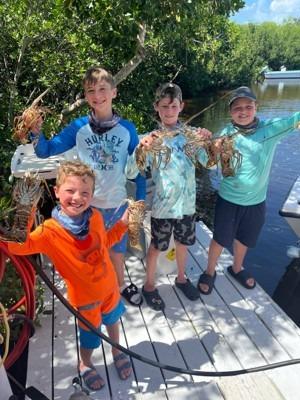
Build a Week Around Mini-Season—with Seven Keys Vacations
Here’s the honest truth: with so much of the Keys running on weekly or monthly minimums, a strict two-night mini-season stay can be tough to find. The smarter play is to build a week around mini-season—arrive a few days early to scout the water and get settled, dive July 29–30, then stick around to enjoy the catch and the islands without the mad rush.
Seven Keys Vacations manages properties across the Keys with 7-night rental options, so you can turn mini-season into a real vacation instead of a 48-hour scramble. A few standouts worth a look (availability moves fast—these were open as of publishing but may not stay that way, so check current dates before you fall in love with one):
- Key Lime on Fifth Street (KC47) (Key Colony Beach)—a 2-bedroom, 2-bath canalfront escape, rated 5 stars across 31 reviews, tucked along a peaceful canal between the Atlantic and Florida Bay
- Carpe Diem – Seas The Day (KC204) (Key Colony Beach)—a 4-bedroom, 4-bath oceanfront home, great for a bigger group or multiple dive crews under one roof
- Sea Pointe & Canal-side Charisma (KC99) (Key Colony Beach)—a spacious 4-bedroom waterfront duplex, ideal for splitting a group across two dive crews
All of the above are in Key Colony Beach with easy water access—exactly what you want when you’re hauling gear and a boat in and out every morning. Browse Seven Keys’ full weekly rental lineup to compare more options, and book early—these fill up well before July.
The Bottom Line
Mini-season is two days, but the planning window is a lot longer than that. If you’re driving down from anywhere in Florida—or farther out—start looking at where you’ll sleep before you start looking at where you’ll dive. Between the short rental windows, the permit restrictions, and the sheer number of people converging on the same handful of towns, the beds disappear a lot faster than the lobster do.